Electric Vehicle Localization in Egypt: Presidential Directives Target Domestic Assembly
Egypt has issued state directives to expand domestic manufacturing of vehicles and spare parts while accelerating electric vehicle prototype testing to reduce import dependence.
Presidential Push for Electric Vehicle Localization in Egypt
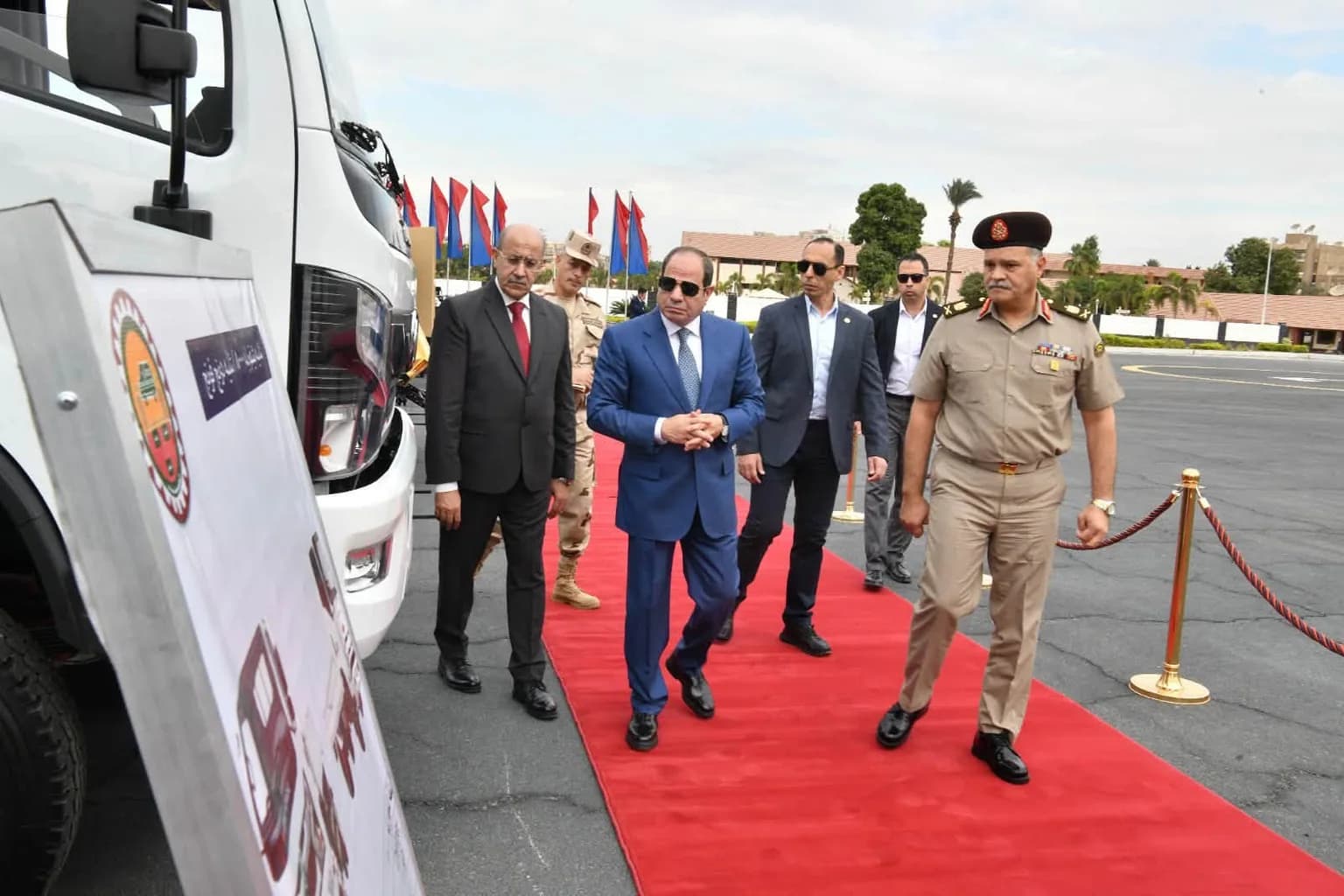
Egyptian state leadership has issued decisive directives prioritizing electric vehicle localization in Egypt alongside broader domestic vehicle assembly and component manufacturing. The strategic guidance mandates public industrial institutions to coordinate production capabilities, facilities, and technical assets to manufacture essential platforms and equipment locally. By deploying established state industrial infrastructure, policymakers aim to construct a sustainable and integrated manufacturing baseline capable of substituting finished foreign imports over time. This top-level directive reflects an ambitious industrial transition that looks beyond traditional vehicle assembly toward cultivating specialized technical know-how within domestic production plants. The coordinated effort emphasizes cross-sector cooperation to develop clean transportation platforms that align directly with global clean-energy transitions and national environmental commitments.
Evaluating Working Prototypes and Electric Powertrains
Senior Egyptian government officials recently reviewed working electric vehicle prototypes currently undergoing technical evaluations and rigorous engineering assessments under state-supervised programs. These evaluation protocols focus on analyzing powertrain efficiency, energy consumption rates, battery thermal management, and structural durability under demanding local operating conditions, including seasonal ambient heat and diverse road surfaces. Validating these functional prototypes represents an indispensable engineering milestone prior to establishing large-scale commercial assembly lines. The ongoing testing phase enables technical teams to gather live performance data, calibrate electronic control units, and refine chassis ergonomics to meet strict safety and operational durability standards. Successfully clearing these trials ensures that upcoming domestic electric platforms are structurally sound and mechanically optimized for practical everyday demands.
Lowering Import Dependence Through Component Manufacturing
A central objective highlighted in the recent national directives is mitigating heavy dependence on foreign automotive imports by aggressively deepening domestic supply chains for replacement parts and platform components. In recent years, Egyptian vehicle procurement and ownership have been severely impacted by global supply chain bottlenecks, elevated international shipping fees, and foreign exchange restrictions that delayed essential parts shipments. Establishing domestic production capacity for mechanical assemblies, structural components, and routine consumables serves to insulate the automotive sector from international market fluctuations. Furthermore, advancing domestic component fabrication lays the operational groundwork for automotive feeding industries, enabling local suppliers of chassis parts, electronic harnesses, and structural panels to raise domestic value-added percentages across all locally assembled vehicles.
Adopting Advanced Technologies in Commercial and Specialized Sectors
The presidential guidance placed heavy emphasis on integrating modern industrial technologies and precision machinery across both commercial transport and specialized service sectors. This dual-sector approach indicates that national industrial planning encompasses high-utility commercial platforms, including urban transport buses, delivery vehicles, and institutional service fleets, alongside specialized technical equipment. Integrating advanced manufacturing solutions necessitates upskilling local technicians in automated production lines, modern electrical engineering, and computerized diagnostic systems. By modernizing state industrial plants with advanced tooling, the country seeks to produce highly resilient commercial machinery that offers reduced long-term maintenance costs, lower carbon emissions, and reliable operating cycles suited for demanding industrial duty.
Market Implications for Prospective Egyptian Car Buyers
For prospective automotive buyers and commercial operators in Egypt, the state-directed push toward domestic assembly signals important long-term structural shifts. Domestically produced and assembled vehicles are traditionally less vulnerable to sudden foreign exchange spikes and customs tariffs than fully imported models, which could eventually translate into more stable retail pricing structures. However, private consumers evaluating future electric purchases must carefully factor in total ownership criteria. These include monitoring the expansion of public and domestic charging points, verifying daily driving range requirements against actual infrastructure availability, and ensuring the presence of qualified aftersales workshops. Prudent buyers must assess future factory-backed warranty terms for high-voltage battery systems and drive units before making financial commitments once commercial retail availability is confirmed.
Unconfirmed Details and Key Milestones to Watch
While state directives have formally confirmed active prototype testing and the expansion of domestic vehicle manufacturing, multiple operational and consumer-facing details remain unannounced. Crucial unverified parameters include specific high-voltage battery capacities, real-world driving ranges per charge, electric motor horsepower figures, anticipated showroom pricing, and definitive public delivery dates. Furthermore, official releases have not confirmed which international engineering or battery technology partners might supply specialized components for upcoming production runs. These critical commercial specifics are expected to become clear only after ongoing prototype durability trials are completed, production tooling is finalized, and commercial assembly protocols are formally scheduled across domestic manufacturing facilities.
؟
Frequently Asked Questions
What are the latest updates regarding electric vehicle localization in Egypt?
State leadership has reviewed working prototypes undergoing rigorous testing alongside comprehensive directives to scale up domestic manufacturing and assembly of electric platforms.
Have official retail prices or commercial release dates been confirmed?
No commercial retail timelines or consumer price figures have been released yet, as current efforts remain focused on prototype testing and baseline manufacturing readiness.